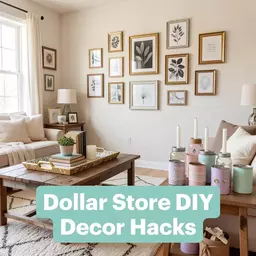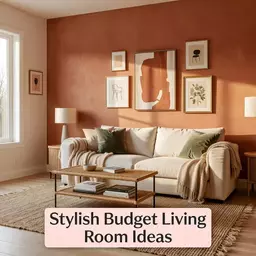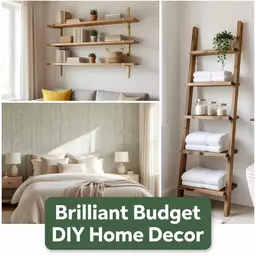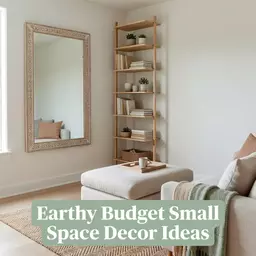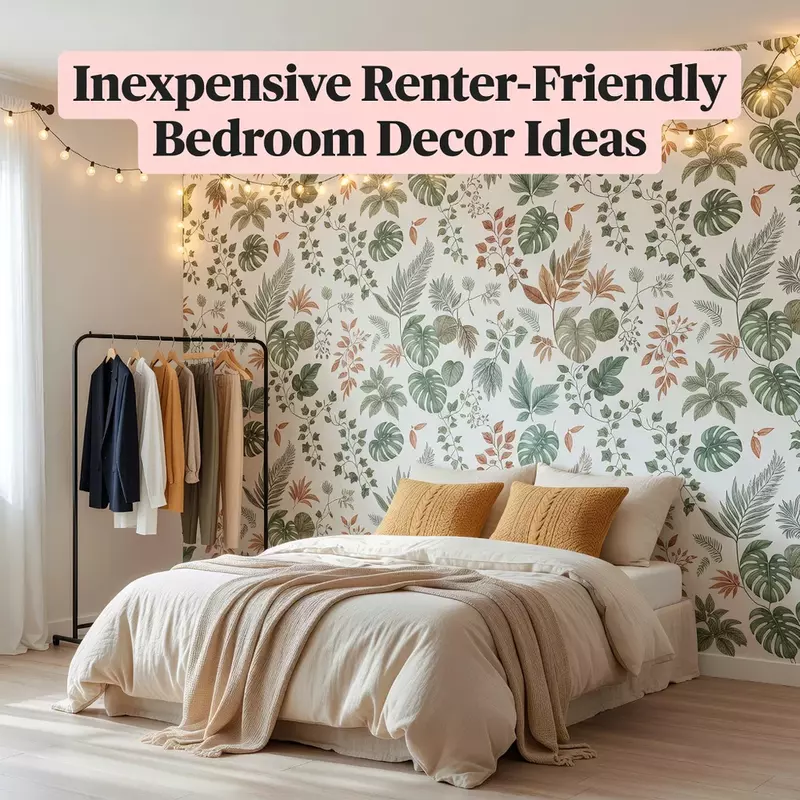
Many homeowners struggle with making their spaces feel larger and more inviting. Fortunately, budget-friendly home staging can transform your living environment significantly. This guide offers 7 practical staging ideas to maximize your home's potential without breaking the bank.
Living Room Sofa Placement Pulled Away From the Wall That Instantly Makes a Room Feel Bigger
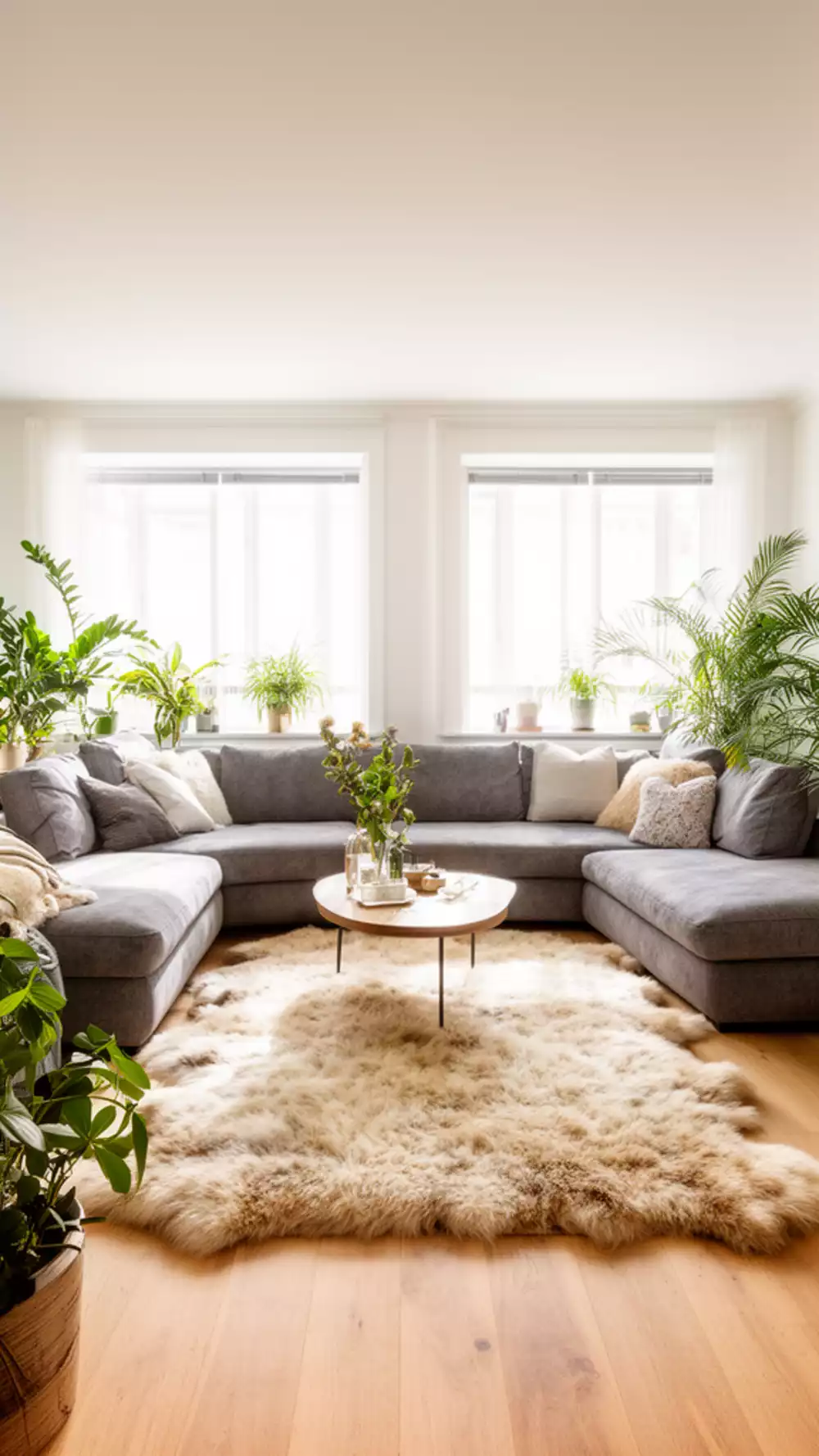
Transform your living room into a spacious retreat with smart sofa placement.
As an Amazon Associate I earn from qualifying purchases. Affiliate links may earn me a commission at no extra cost to you.
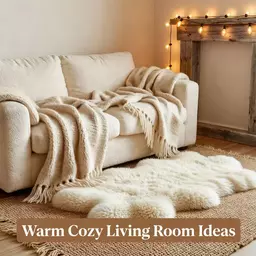
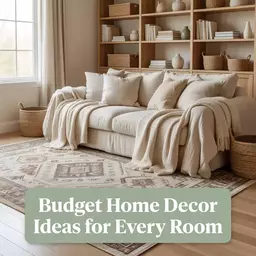
The Benefits of Sofa Placement Away From the Wall: Did you know that pulling your sofa away from the wall can create the illusion of more space? This simple shift not only enhances traffic flow but also establishes a cozy focal point that invites conversation. Aim for a distance of about 12-18 inches between the sofa and the wall to optimize comfort and accessibility.
Where Most People Get Stuck: Many people place their sofas against the wall, thinking it maximizes the space. However, this often leads to a cramped feel. By allowing your sofa to float in the room, you can create an inviting and open environment. Imagine a beautifully styled oversized U-shaped couch, pulling the eye inward and making the room feel expansive!
- ★Consider placing your sofa 12-18 inches from the wall for optimal comfort.
- ★Enhance visual interest with a stylish area rug, like this fluffy lambskin rug.
- ★Avoid overstuffing the area with furniture to maintain a spacious feel.
⭐ Top Products for Sofa Placement
✨ Editor's Pick
Oversized U Shaped Cloud Couch
★★★★★
Our Score: 5.0/5
This modular couch creates a central focus in your room, making it feel more spacious.
View on Amazon →Modern Loveseat Sofa Couch
★★★★½
Our Score: 4.5/5
This adjustable loveseat fits smaller areas while providing great comfort for guests.
View on Amazon →Fluffy Lambskin Fur Area Rug
★★★★☆
Our Score: 4.0/5
This sheepskin rug adds warmth and a cozy touch to your living space.
View on Amazon →💡 Quick Tips:
- Measure Comfortably: Keep your sofa 12-18 inches from the wall for easy movement.
- Define the Space: Use area rugs to visually anchor your sofa in the room.
- Avoid Clutter: Resist the urge to fill the space with excess furniture; less is more!
Living Room Coffee Table Centred Precisely Between the Sofa and TV Unit for a Balanced Layout
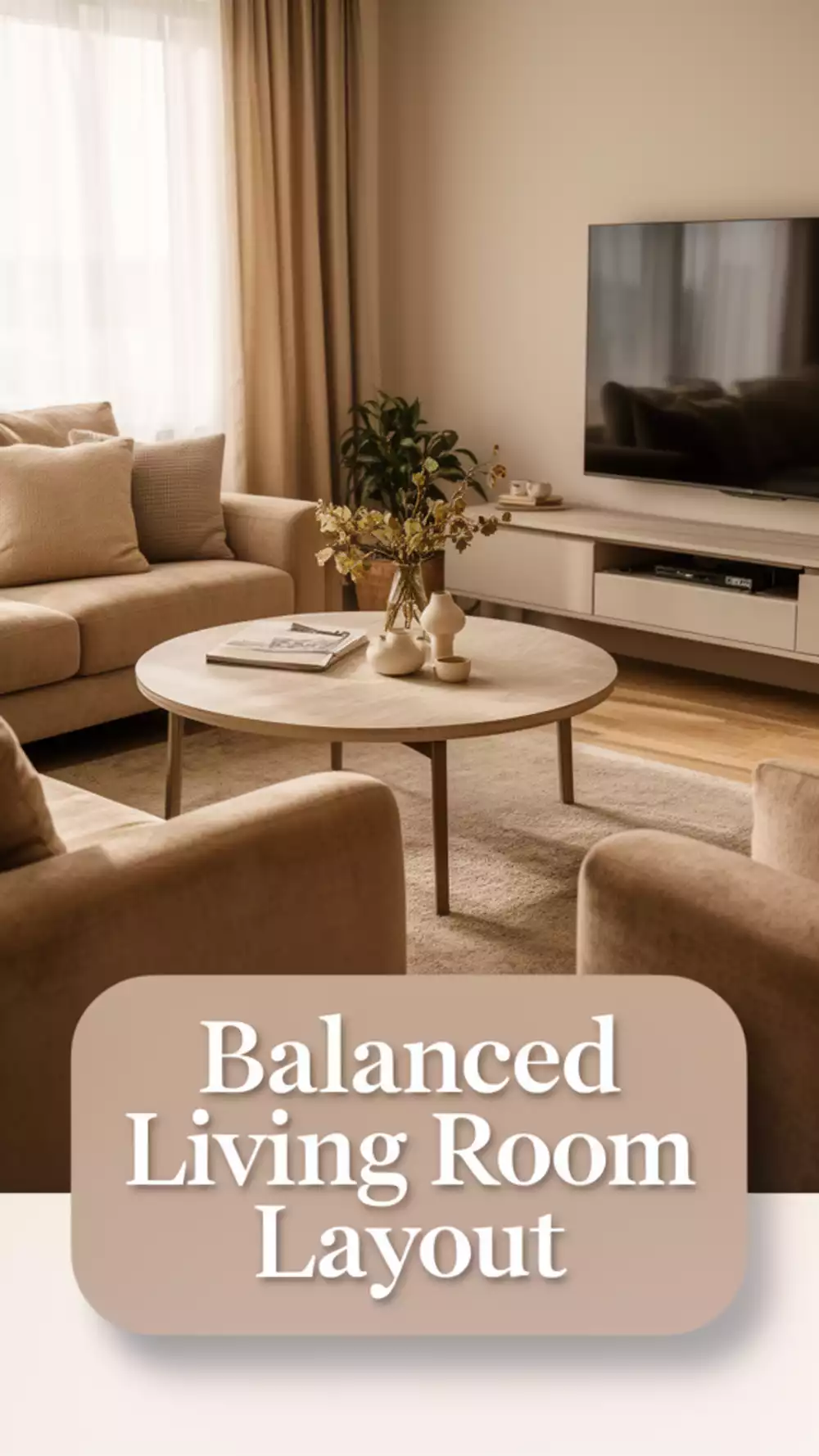
Create a harmonious living space that invites warmth and conversation.
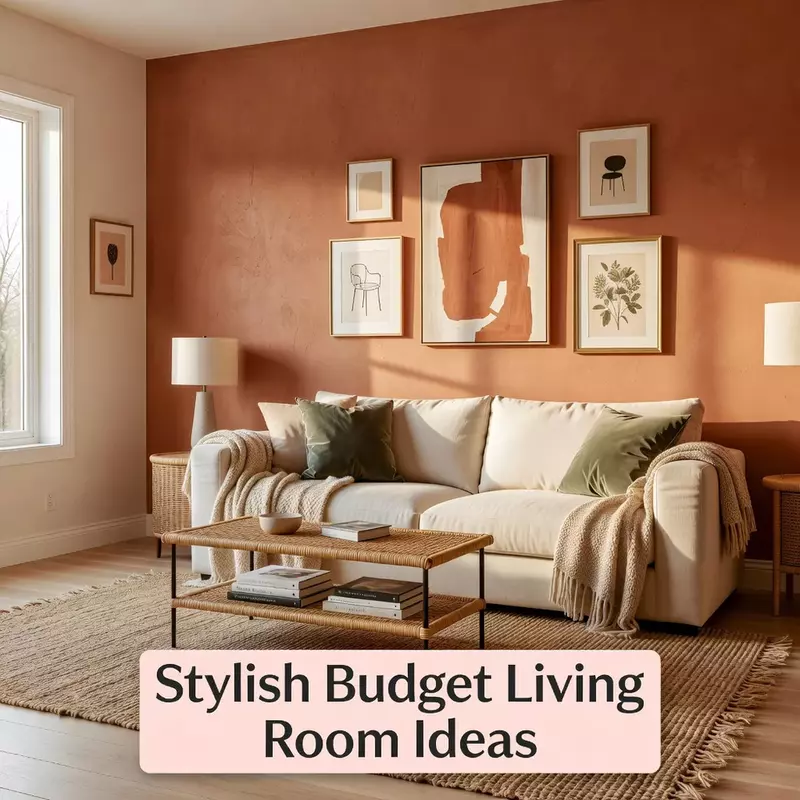
The Importance of a Centrally Placed Coffee Table: A coffee table positioned precisely between your sofa and TV unit not only serves as a functional centerpiece but also anchors the seating arrangement. This setup enhances visual balance, improves traffic flow, and encourages social interaction, making your living room feel more inviting.
What many homeowners overlook is the ideal distance between the coffee table and seating. Aim for about 18 inches to ensure easy access and comfort. This small adjustment can significantly enhance both aesthetics and functionality, often transforming the entire room experience.
- ★Center your coffee table about 18 inches from the sofa for optimal comfort.
- ★Consider a nesting coffee table set for flexibility in smaller spaces like this one.
- ★Avoid overcrowding; leave enough space between furniture to maintain flow.
⭐ Recommended for Coffee Table Layout
Round Farmhouse Coffee Table
★★★★½
Our Score: 4.5/5
This rustic coffee table enhances balance between your sofa and TV unit for a harmonious layout.
View on Amazon →✨ Editor's Pick
Nesting Coffee Table Set of 2
★★★★★
Our Score: 5.0/5
This versatile nesting table set is perfect for balancing your living room layout and maximizing space.
View on Amazon →Round Nesting Coffee Table Set
★★★★☆
Our Score: 4.0/5
This modern nesting design adapts to your living room needs while maintaining a clean look.
View on Amazon →💡 Quick Tips:
- Position your coffee table: Aim for about 18 inches from the sofa for easy access.
- Choose the right shape: Round tables are great for smaller spaces, promoting flow.
- Limit clutter: Avoid overcrowding with excessive decor to maintain a spacious feel.
Bedroom Bed Positioned Against the Focal Wall With Equal Nightstand Space on Each Side
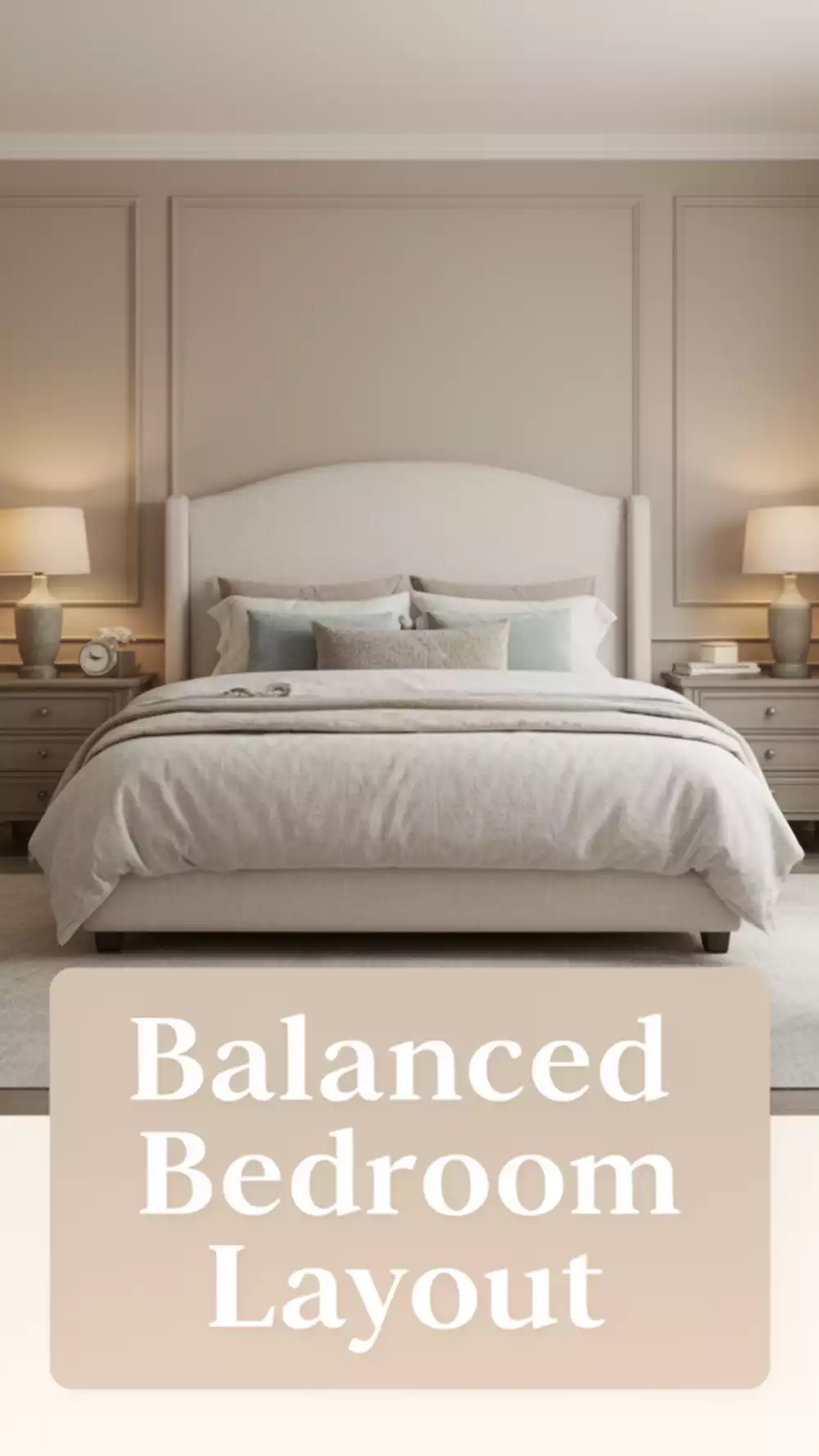
Transform your bedroom into a serene retreat with smart bed placement.
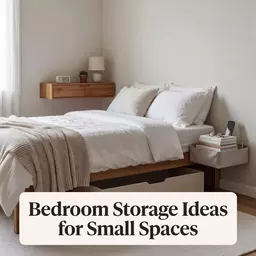
The Impact of Bed Positioning on Bedroom Aesthetics: Positioning your bed against the focal wall not only enhances visual appeal but also creates a sense of balance and harmony in the room. This arrangement allows for equal nightstand space on either side, contributing to a visually pleasing symmetry that promotes relaxation.
Where Most People Get Stuck: One common mistake is placing the bed too close to windows or doors, which can disrupt the flow of the room and make it feel cramped. Imagine a bedroom where the bed is slightly off-center, leading to a chaotic look. Instead, centering it against a focal wall can transform the space into a soothing haven.
- ★Ensure that nightstands are of equal height to create visual balance.
- ★Consider the height of bedside lamps for functional and aesthetic harmony.
- ★Using a stylish bed frame, like this queen bed frame, can elevate the overall design.
⭐ Top Products for Bed Arrangement
Adjustable Height Bed Frame
★★★★½
Our Score: 4.5/5
This frame’s adjustable headboard ensures personalized comfort, making it versatile for your bedroom.
View on Amazon →✨ Editor's Pick
Queen Bed Frame with Headboard
★★★★★
Our Score: 5.0/5
This stylish bed frame not only looks great but also provides essential under-bed storage.
View on Amazon →Waterproof Mattress Protector
★★★★☆
Our Score: 4.0/5
Protect your bed setup with this waterproof protector, ensuring a clean and cozy space.
View on Amazon →🚀 Quick Tips:
- Choose the right height: Nightstands should match your bed height for symmetry.
- Consider bedside lighting: Use lamps that complement the overall room style.
- Frame your bed stylishly: A chic headboard can elevate your bedroom's design effortlessly.
The Living Room Furniture Float Trick That Creates a Conversation Zone Without Buying Anything
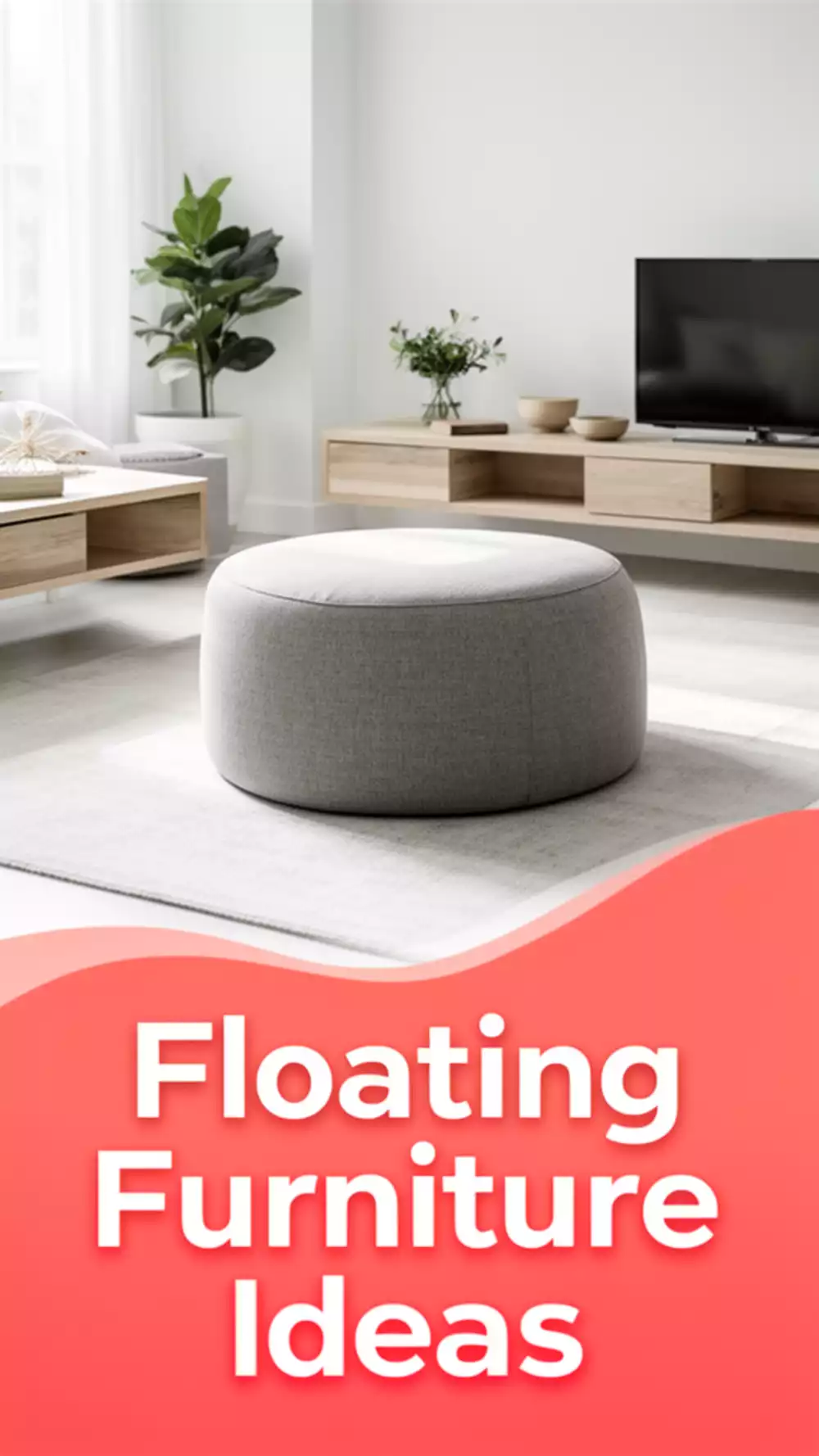
Create an inviting space that encourages conversation without spending a dime.
Why Floating Furniture Matters: The ‘float’ technique involves arranging your furniture away from walls, which enhances the sense of space and fosters interaction. By creating a *conversation zone*, you invite movement and engagement, making your living area more functional and inviting.
Where Most People Get Stuck: Many overlook the power of a well-defined space and stick to traditional layouts. For instance, a simple adjustment like placing a round pouf ottoman in the center can drastically shift the room’s vibe, inviting friends to gather around instead of feeling spread out and disconnected.
- ★Use a large area rug to define the floating zone and add warmth.
- ★Consider a round pouf ottoman for additional seating and style.
- ★Avoid over-furnishing; keep pathways clear for easy movement.
⭐ Best Products for Conversation Zones
✨ Editor's Pick
Round Pouf Ottoman
★★★★★
Our Score: 5.0/5
This versatile pouf doubles as seating and decor, enhancing your conversation space.
View on Amazon →Storage Ottoman with Lid
★★★★½
Our Score: 4.5/5
This multi-purpose ottoman adds storage and seating, perfect for a cozy layout.
View on Amazon →Modern Arc Floor Lamp
★★★★☆
Our Score: 4.0/5
This stylish lamp brightens conversation zones, enhancing your floating furniture layout.
View on Amazon →💡 Quick Tips:
- Define Your Space: Use a large area rug to clearly mark the conversation zone.
- Opt for Versatile Pieces: A round pouf can provide extra seating and visual interest.
- Keep it Open: Maintain clear pathways to encourage movement and interaction among guests.
Taking action, even in small ways, shifts everything, and you're already halfway through transforming your home. These principles are about creating more functional and inviting spaces, not about perfection. Focus on what feels right for your home and lifestyle.
✨ Simple Reminders:
- Experiment with furniture placement; it's the best way to find your ideal layout.
- Consider the overall decor and flow of movement in your home.
- Prioritize comfort and functionality above all else for lasting enjoyment.
Dining Room Table Positioned Under the Pendant Light That Anchors the Whole Eating Area
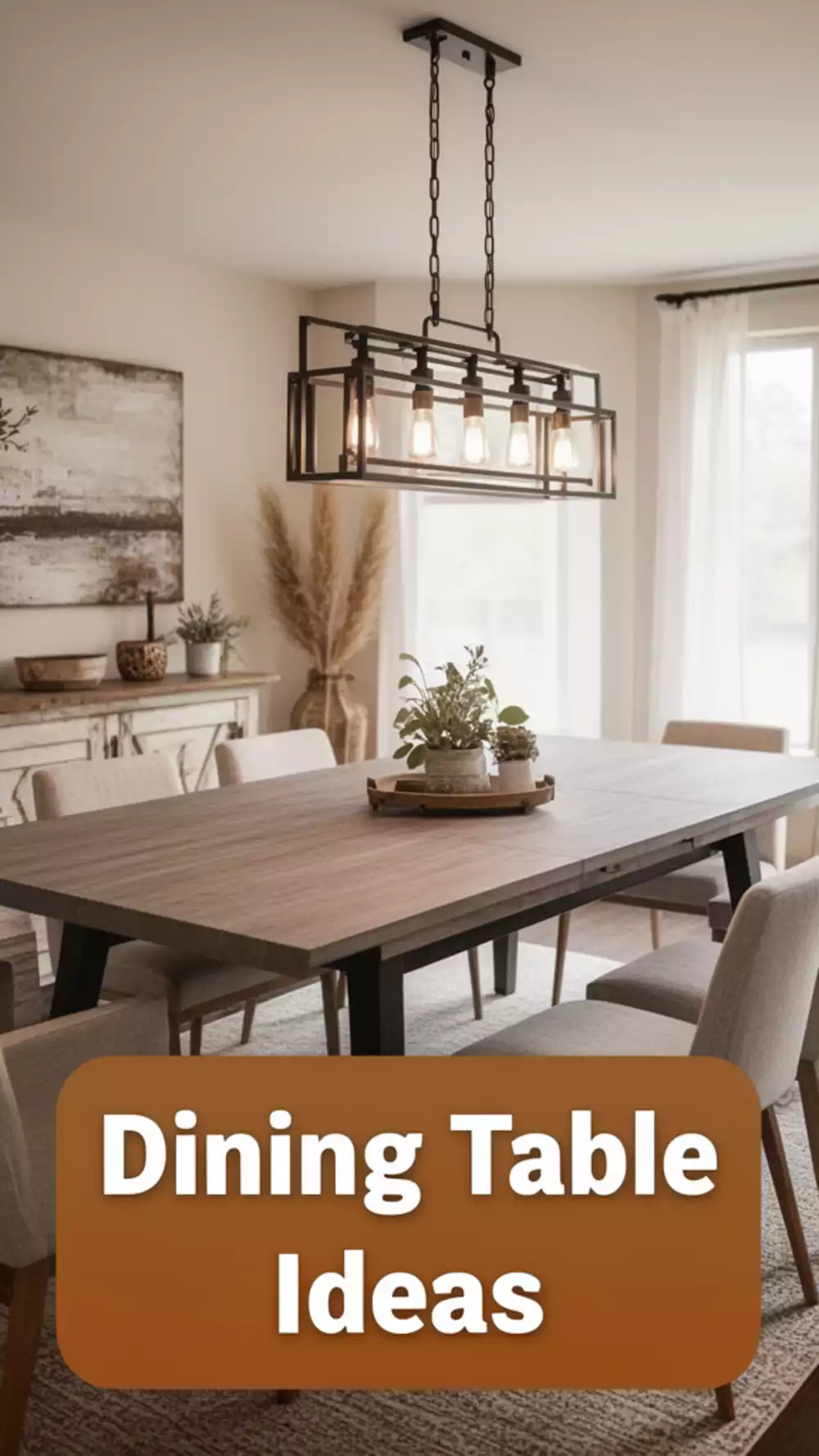
Transform your dining space with the perfect table and lighting setup.
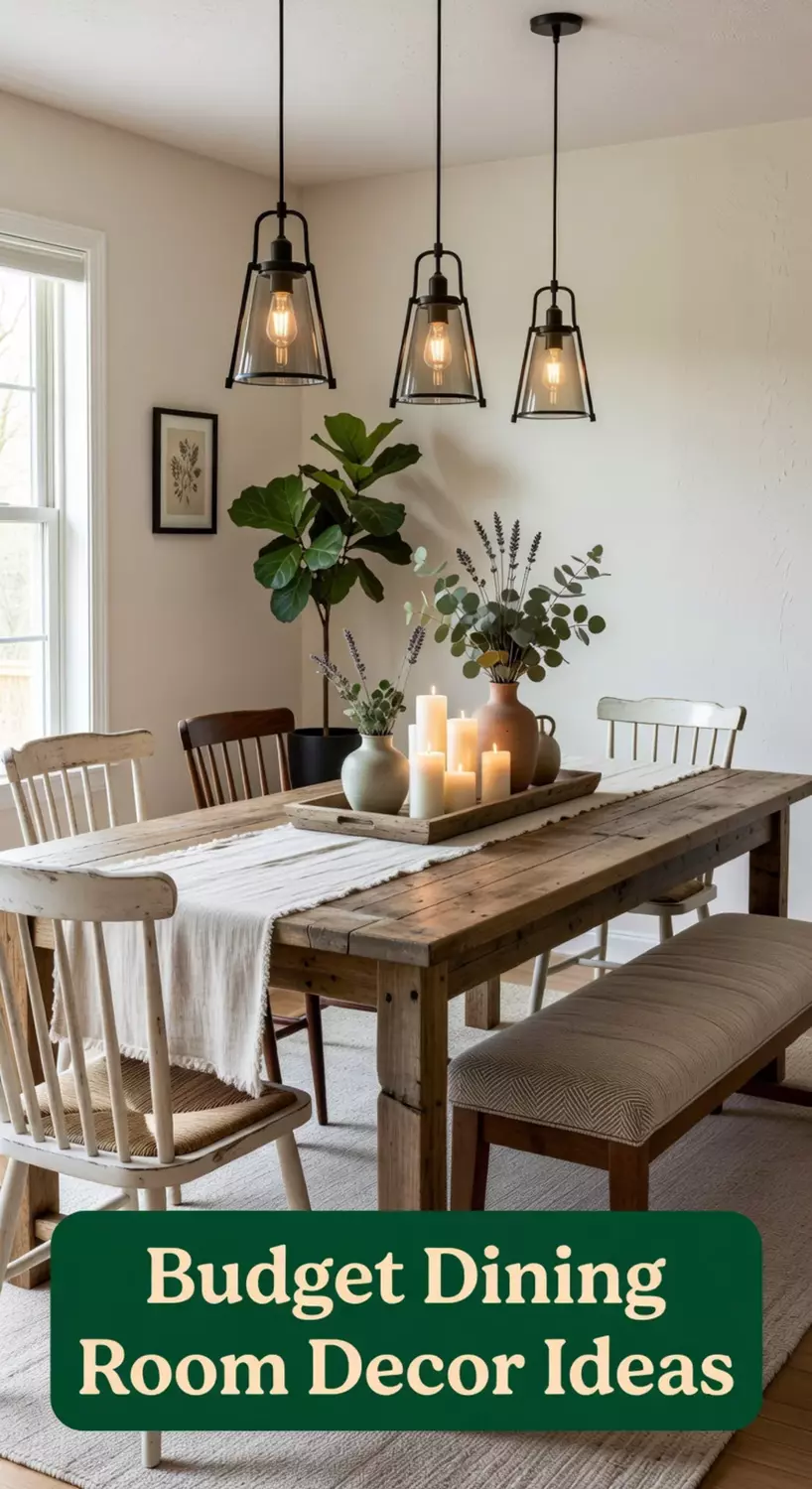
Why Placing Your Dining Table Under Pendant Lighting Matters: Positioning your dining table directly under a pendant light creates a strong focal point, enhancing the overall dining experience. It not only adds style but also ensures adequate lighting for meals, making your dining area feel intentionally designed and welcoming.
A subtle issue that adds up is the distance between your table and the light fixture. Many overlook measuring these lengths, leading to a less inviting atmosphere. Ideally, pendant lights should hang about 30-36 inches above the table for optimal ambiance. This height enhances the connection without obstructing views or conversation.
- ★Ensure your dining table style complements your pendant lighting for cohesive decor.
- ★Position the table at least 30-36 inches below the pendant for adequate light.
- ★Avoid overcrowding the space with too many chairs around the table.
⭐ Top Products for Dining Table Setup
Bamboo Dining Bench
★★★★½
Our Score: 4.5/5
The bamboo dining bench enhances your dining area with a rustic charm and extra seating.
View on Amazon →✨ Editor's Pick
7 Piece Extendable Dining Table Set
★★★★★
Our Score: 5.0/5
This extendable dining table set anchors your dining area beautifully, perfect for gatherings.
View on Amazon →Farmhouse Pendant Light Fixture
★★★★☆
Our Score: 4.0/5
The pendant light fixture adds warmth and elegance, perfect for your dining area ambiance.
View on Amazon →💡 Quick Tips:
- Choose the right height: Hang your pendant light 30-36 inches above the table for ideal lighting.
- Match your styles: Ensure your dining table complements the pendant's design for a cohesive look.
- Keep it spacious: Leave enough room around the table to prevent a cramped dining experience.
Entryway Console Table Placed Perpendicular to the Door That Creates a Welcoming Arrival Zone
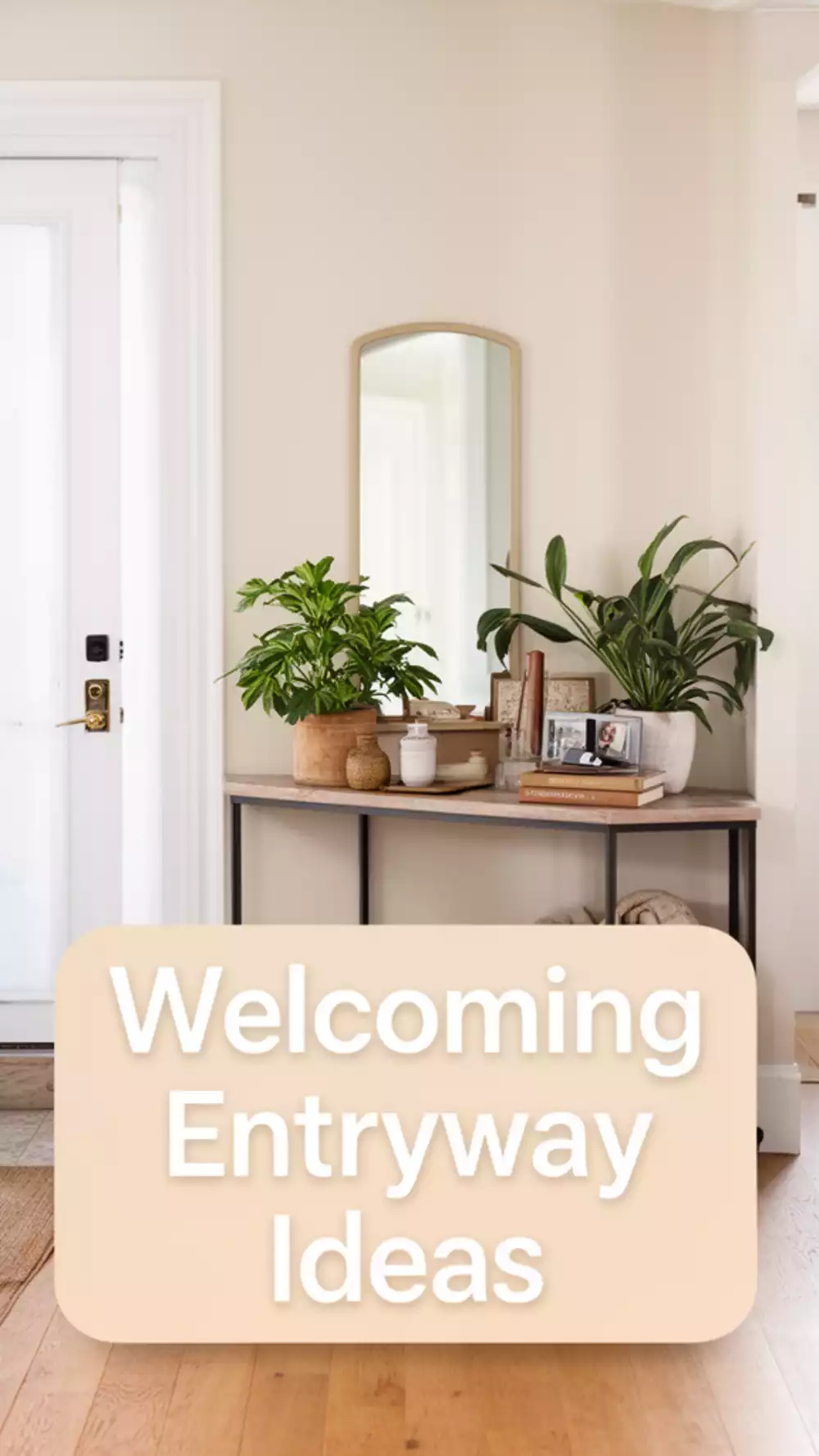
Create a warm and inviting space right at your door.
The Benefits of Entryway Console Tables: A well-placed console table can enhance your entryway by creating a welcoming atmosphere while serving as a practical spot for keys, mail, and decor. Positioning it perpendicular to the door allows for smooth traffic flow and a clear view into your home, instantly setting a positive tone for guests.
A subtle issue that adds up is overlooking the height and functionality of your console table. Many people choose tables that are too low or bulky, making the space feel cramped. For instance, a tall, narrow console can effectively utilize vertical space, offering both storage and an inviting display without overwhelming the area.
- ★Opt for a console table that matches your entryway decor for a cohesive look.
- ★Incorporate decorative trays or small bowls for easy organization of keys and mail.
- ★Avoid overcrowding the table; keep decor minimal to maintain functionality.
⭐ Best Products for Entryway Decor
Narrow Console Table for Entryway
★★★★½
Our Score: 4.5/5
This compact console table is perfect for organizing your entryway essentials stylishly.
View on Amazon →3-Tier Bamboo Shoe Rack Bench
★★★★☆
Our Score: 4.0/5
This shoe rack bench keeps your entryway organized while adding a cozy seating option.
View on Amazon →✨ Editor's Pick
Hall Tree with Bench and Shoe Storage
★★★★★
Our Score: 5.0/5
This all-in-one hall tree maximizes storage while creating a stylish entryway atmosphere.
View on Amazon →🚀 Quick Tips:
- Choose the right height: Ensure your console table is proportional to the height of your door.
- Keep essentials handy: Use decorative trays to organize keys, mail, and other daily items.
- Embrace simplicity: Limit decorative items to maintain functionality and avoid clutter.
Why Moving Furniture Away From Walls Is the Completely Free Upgrade That Works Every Time
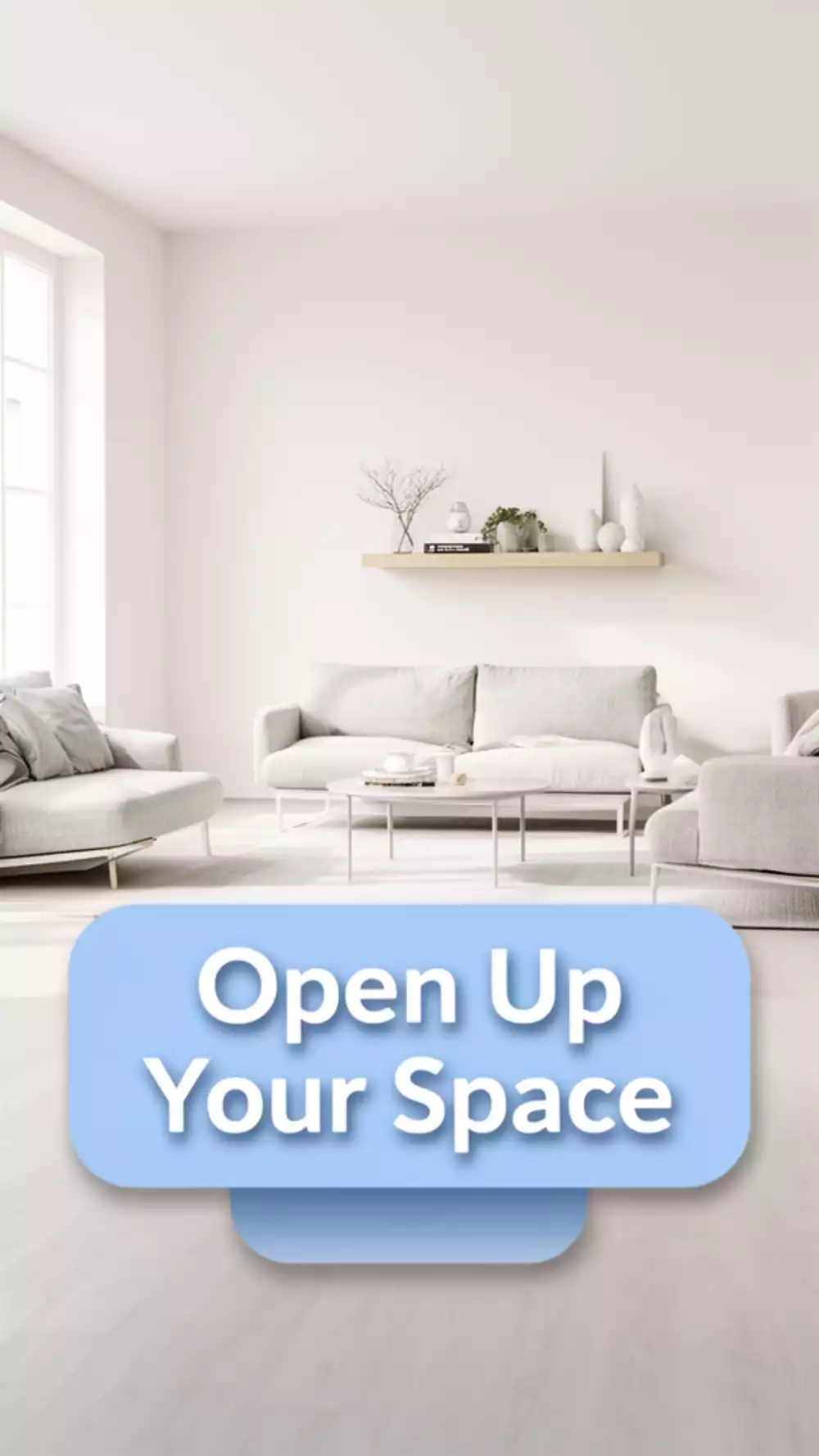
Transform your space effortlessly by rearranging your furniture for a brighter atmosphere.
The Impact of Moving Furniture Away From Walls: Moving your furniture away from walls instantly creates a sense of space and openness. This adjustment not only enhances traffic flow but also fosters a more inviting atmosphere, making your home feel larger and more comfortable.
What People Rarely Consider is that many think pulling furniture closer to walls maximizes space. In reality, this claustrophobic setup often traps energy, making rooms feel cramped and less inviting. Try arranging a large sofa at least 12-18 inches from the wall to promote better movement and interaction.
- ★Reposition larger items like sofas or armchairs to create a more open conversation area.
- ★Utilize a small floating shelf set to display decor in newly freed wall space.
- ★Avoid crowding furniture against walls which can create a cramped vibe.
⭐ Why Moving Furniture Away From Walls Is the Completely Free Upgrade That Works Every Time
✨ Editor's Pick
Small Floating Shelf Set of 3
★★★★★
Our Score: 5.0/5
These small floating shelves help create an open feel while displaying your favorite decor items.
View on Amazon →Contemporary Accent Chair
★★★★½
Our Score: 4.5/5
This accent chair enhances your decor while providing additional seating without crowding the space.
View on Amazon →Asymmetrical Wall-Mounted Decor Mirror
★★★★☆
Our Score: 4.0/5
This decor mirror adds depth and reflects light, enhancing the spacious feel of your room.
View on Amazon →🚀 Best Practices:
- Rearrange furniture: Start by moving one large piece away from the wall.
- Test different placements: Experiment with various arrangements to see what feels best.
- Maintain balance: Ensure that your furniture placement creates a harmonious flow throughout the room.
You now have seven practical ways to enhance your home with thoughtful furniture arrangements. Start with what feels manageable as you explore these budget-friendly ideas.
Your home will gradually reflect your style and comfort with each small adjustment you make. Embrace the process, and remember that progress shows up in the little changes that bring you joy.